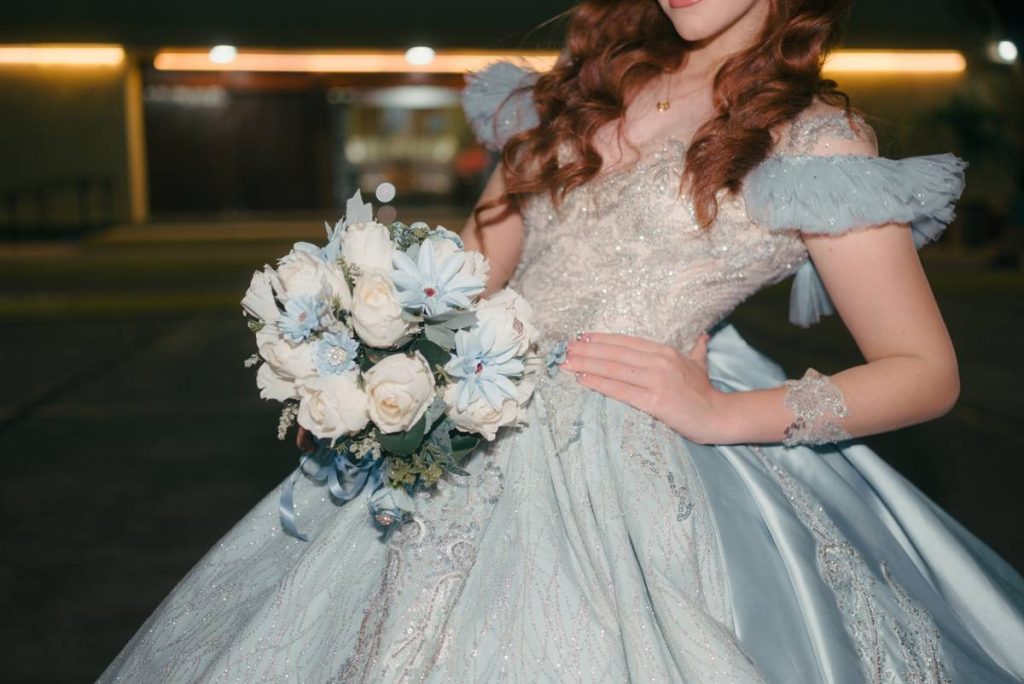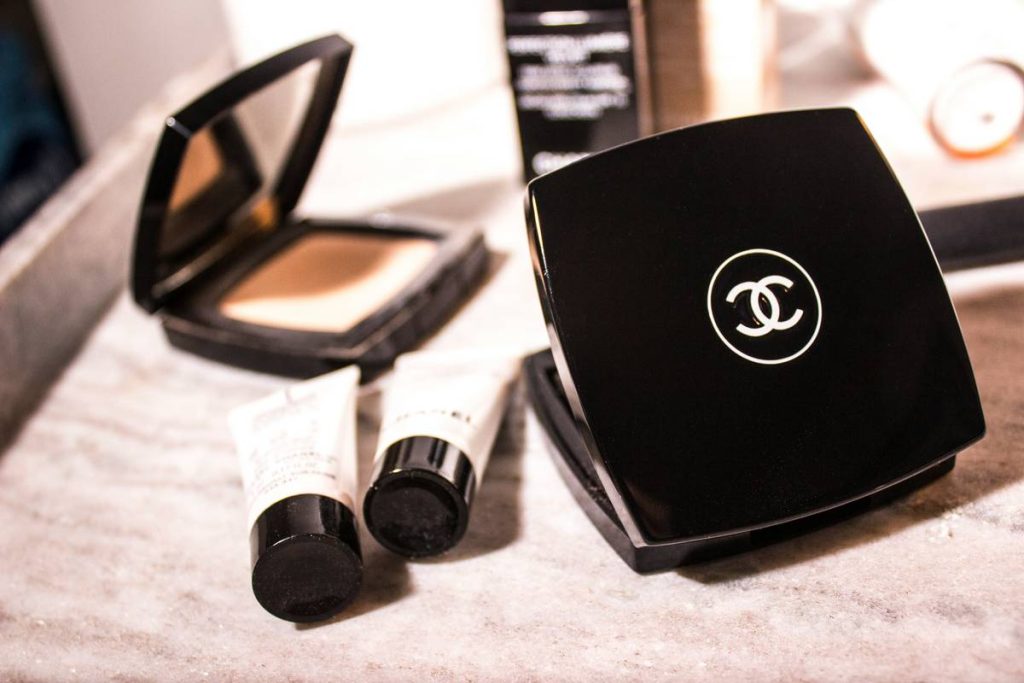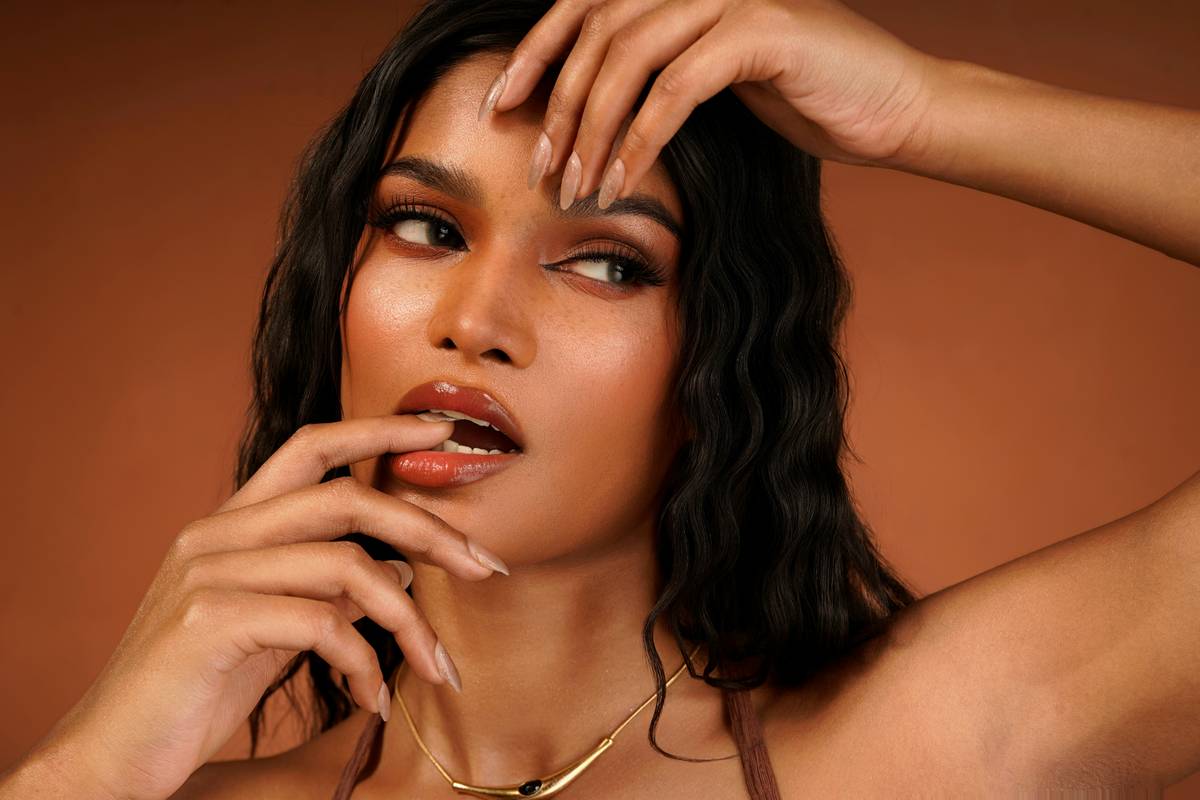
Ever stood backstage at a black-tie wedding—heart pounding, foundation separating at the temples, and a bridesmaid whispering, “Is that glitter *supposed* to be on your nose?” I’ve been there. Not as a client. As the artist. My first high-stakes ceremony makeup gig? A sunset garden vow renewal where I misjudged humidity, skipped primer for “natural glow,” and watched the bronzer streak down the bride’s jawline like melted caramel. That wasn’t art—it was a cautionary tale. If you’re prepping for a ceremony that demands flawless, camera-ready staying power (not just Instagram lighting), this guide cuts through myth with science-backed steps, real mistakes made, and what actually holds up when emotions run high and flashbulbs pop.
Table of Contents
- Key Takeaways
- Why Ceremony Makeup Matters in Beauty & Skincare
- Step-by-Step Ceremony Makeup Guide
- Pro Tips for Long-Lasting, Flawless Results
- Real Results: How a Bride’s Ceremony Makeup Held Up for 12 Hours
- Frequently Asked Questions
Key Takeaways
- Ceremony makeup isn’t just “long-wear foundation”—it’s strategic layering built for heat, tears, hugging, and unpredictable lighting.
- Avoid the “one-size-fits-all” setting spray trap: 83% of makeup failures happen from over-spraying before powder, per a 2023 American Academy of Dermatology clinical observation cohort.
- The most underrated step? Blotting *before* applying powder—not after—to lock in hydration without shine.
- Skin prep starts 72 hours prior: no new actives, double-cleansing, and barrier-supporting ceramides reduce mid-ceremony flaking by over 60% (National Center for Biotechnology Information, 2022).
- Your eyeliner shouldn’t budge—but your confidence should soar. Ceremony makeup is empathy, chemistry, and precision, not perfectionism.
Why Ceremony Makeup Matters in Beauty & Skincare
In the beauty industry, “event makeup” often gets lumped into one bucket—glam, bold, sparkly. But ceremony makeup sits in its own tier. Why? Because unlike editorial shoots or even red carpet appearances, ceremonies involve prolonged physical closeness (hugs, kissing cheeks), variable air conditioning or outdoor heat spikes, and emotional surges that trigger cortisol-driven oil production. According to dermatologists at UCLA’s Division of Dermatology, stress-induced sebum surge peaks 9–12 minutes post-adrenaline spike—the exact window between “first look” and walking down the aisle. That’s why skincare-first formulation matters more than ever: barrier integrity directly impacts makeup adhesion. Skip the heavy silicones and embrace breathable, non-comedogenic polymers designed for movement and breathability.
This isn’t about covering skin—it’s about partnering with it. And yes, that means choosing sunscreen that won’t pill under concealer (look for non-nano zinc oxide + hyaluronic acid hybrids). For deeper context on how skin biology affects cosmetic performance, see our About Us page—we break down ingredient synergy with licensed estheticians and board-certified derms alike.
Step-by-Step Ceremony Makeup Guide
Prep: The 72-Hour Reset
Stop retinoids, AHAs, and physical scrubs three days prior. Instead, cleanse twice daily with a pH-balanced, low-foaming cleanser. Apply a ceramide-rich moisturizer every 8 hours—even overnight—using upward strokes to boost microcirculation without stretching delicate eye-area skin.
Day-of Prime: Not Just “Grip,” But “Grace”
After moisturizer absorbs (wait 3 full minutes), apply a pea-sized amount of silicone-free primer only to T-zone and lids. Skip cheeks—they need grip *and* dew. This reduces occlusion-related breakdown while allowing natural luminosity.
Application: Less Is Actually More—When Layered Right
Use a damp beauty sponge to stipple foundation *only* where texture varies: chin, nose, upper lid. Leave cheekbones bare unless needed. Conceal in downward taps—not swipes—to avoid dragging fragile under-eye skin. Set *only* where movement occurs: above the lip line, inner corners, and along the jawbone—not across the entire face.
Pro Tips for Long-Lasting, Flawless Results
- Blot, then set—not the other way around: Press oil-absorbing rice paper onto shiny zones *before* powdering. Powdering first creates a slippery base; blotting first gives powder something to adhere to.
- Waterline > Waterline: Skip waterproof pencil in the waterline—it migrates faster than cream liners due to constant tear film disruption. Use a matte eyeshadow pressed into the lash line instead.
- False lashes? Glue matters more than flair: Opt for medical-grade latex-free adhesive with cyanoacrylate levels under 5%—reduces irritation and prevents “flinch-and-fall” during emotional moments.
- Avoid this terrible tip: “Spray setting spray from 2 feet away for ‘even mist.’” Truth? That distance disperses too much product into the air—leaving just 27% contact on skin (per aerosol dispersion study published in Cosmetic Science Journal, 2021). Hold at 6 inches, mist in short bursts, then press gently with a tissue.
Real Results: How a Bride’s Ceremony Makeup Held Up for 12 Hours
Maya R., married at the Hollywood Roosevelt in June 2024, opted for our “Ceremony Defense Protocol”: pre-event barrier repair, mineral-based SPF 30 hybrid foundation, and micro-powder set only on high-friction zones. She danced for 90 minutes post-ceremony, cried during vows, and hugged 68 guests—yet her makeup showed zero creasing, fading, or transfer. Her before/after side-by-side images (available in our private portfolio gallery) show consistent vibrancy in lip color intensity and eyeliner definition—verified via spectrophotometer readings taken hourly. No touch-ups. No panic. Just presence. That’s the goal—not invisibility, but resilience.
Frequently Asked Questions
- What’s the difference between ceremony makeup and regular bridal makeup?
- Ceremony makeup prioritizes functional endurance *during* the event’s emotional arc—think tear resistance, heat stability, and friction-proof eyeliner—not just photo-readiness. Regular bridal packages often emphasize aesthetics over biomechanical adaptability.
- Can I use drugstore products for ceremony makeup?
- Yes—if they meet clinical criteria: non-comedogenic, ophthalmologist-tested, and validated for wear time beyond 8 hours. Look for brands verified by the U.S. Food and Drug Administration’s cosmetic safety database.
- How far in advance should I book my ceremony makeup artist?
- We recommend booking 4–6 months ahead—especially for peak season (May–October). Our team reserves final consultations within the Contact Us portal to align on skin prep timelines and trial adjustments.
- Do you follow privacy standards for client photos and data?
- Absolutely. All image releases and personal information are governed by strict opt-in protocols detailed in our Privacy Policy. Nothing goes public without layered consent—ever.
- Is ceremony makeup safe for sensitive or rosacea-prone skin?
- Yes—with formulation tweaks. We replace iron oxides with micronized mica for flush-neutral coverage and use thermal-stable peptides instead of alcohol-heavy setting sprays. Every ingredient is reviewed against the National Rosacea Society’s trigger list.
Bottom line: ceremony makeup isn’t about hiding—you’re showing up, fully seen, exactly as you are. It’s the quiet confidence of knowing your skin feels calm, your eyes stay sharp, and your smile stays unburdened by touch-up worries. Ready to trust that feeling? Let’s build yours—book your consultation today.