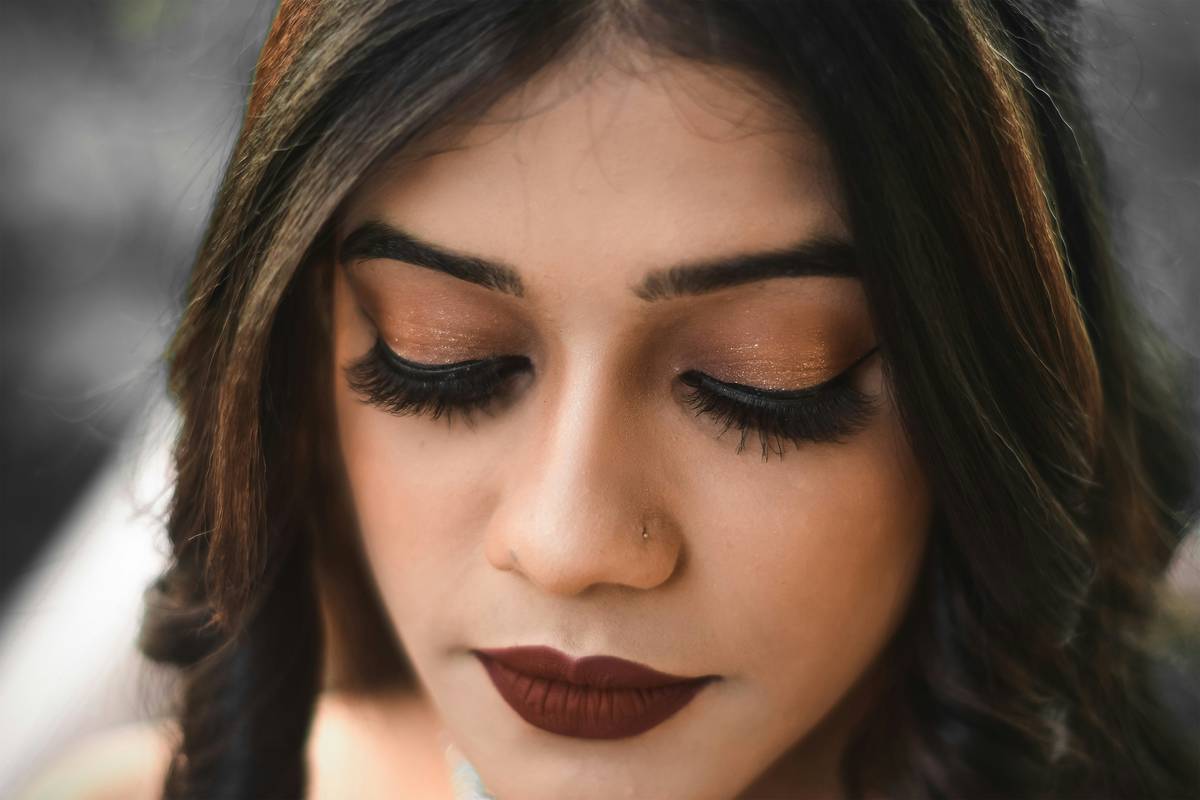
Ever watched the Oscars red carpet and wondered how celebrities glow under blinding flashbulbs without a single smudge? You’re not alone. Many beauty enthusiasts try to replicate hollywood makeup at home—only to end up with cakey foundation or raccoon eyes by midnight. The truth? Red carpet looks aren’t magic; they’re meticulous technique, professional products, and lessons learned from real mistakes. In this guide, we’ll break down exactly how to achieve camera-ready glamour that lasts all night—without the $5,000 price tag.
Table of Contents
- Why Hollywood Makeup Matters in Real Life
- Step-by-Step Red Carpet Routine
- Pro Tips for Long-Lasting Glamour
- Real-World Examples from the Carpet
- Frequently Asked Questions
Key Takeaways
- Red carpet hollywood makeup relies on priming, strategic layering, and setting—not heavy product.
- Sweat, tears, and flash photography demand oil control and matte finishes.
- Less is more: over-powdering causes flashback (that ghostly white cast in photos).
- Professional artists use color theory, not just trend-driven choices.
Why Hollywood Makeup Matters in Real Life
Red carpet events are high-stakes beauty battlegrounds. One wrong move—like using dewy foundation under studio lights—and you’re trending for all the wrong reasons. I once applied a luminous tinted moisturizer before a client’s premiere event, thinking “glow” equaled glamour. By minute 20 on the carpet, she looked sweaty, not radiant. Lesson learned: hollywood makeup isn’t about looking dewy—it’s about looking polished under extreme conditions.
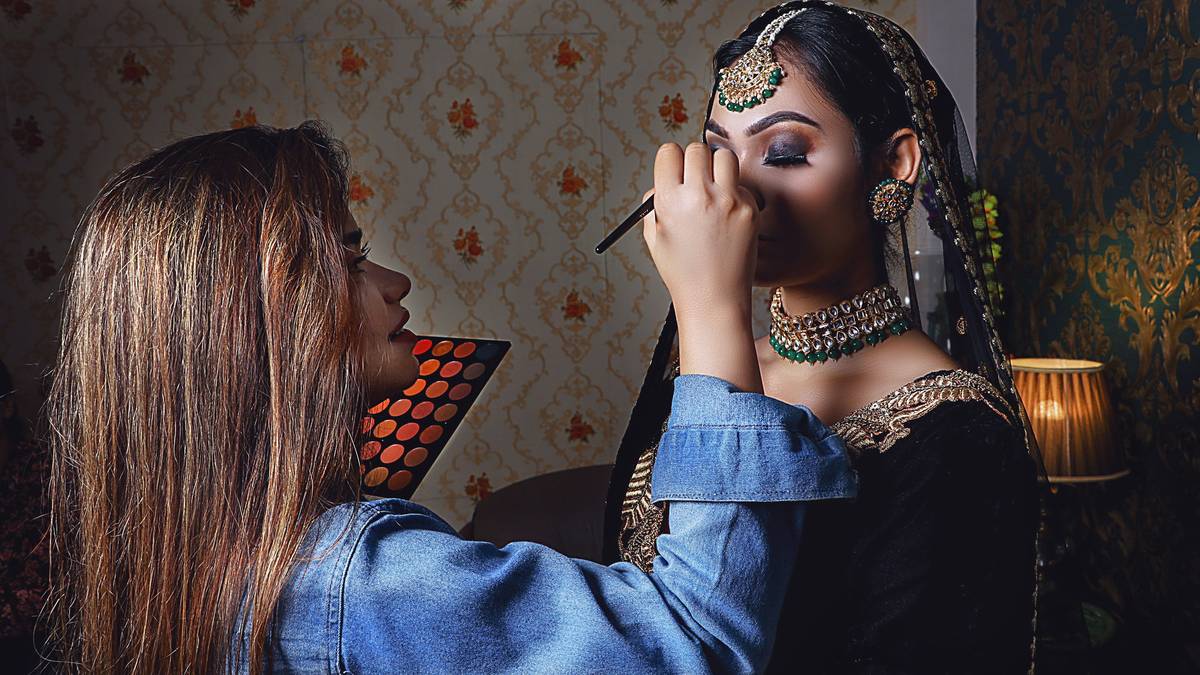
This micro-niche sits at the intersection of artistry and endurance. According to the American Academy of Dermatology, long-wear formulations used by celebrity makeup artists often contain silica and polymers that resist humidity—a critical detail for anyone battling summer weddings or humid climates. Unlike everyday routines, red carpet makeup must survive hours of smiling, blinking, and flash photography without creasing, fading, or oxidizing.
Step-by-Step Red Carpet Routine
1. Skin Prep Is Non-Negotiable
Start with clean, hydrated skin—but skip heavy creams. Use a lightweight gel moisturizer and wait 10 minutes before moving on. Apply a mattifying primer only in oily zones (T-zone), not all over.
2. Build Coverage Strategically
Use a full-coverage liquid foundation *only where needed*—under eyes, around nose, chin. Blend outward with a damp sponge. Never apply foundation like paint; think “targeted correction.”
3. Set Smartly, Not Heavily
Dust translucent powder *only* on areas prone to shine. Avoid under eyes unless you’ve baked concealer first. Over-powdering causes flashback—a pet peeve I rant about below.
4. Define With Warmth, Not Harsh Lines
Celebrity artists use bronzer for contour, not gray-based powders. Blend upward toward temples for a lifted effect. Add cream blush to cheeks *before* powder for seamless integration.
5. Lock It All Down
Finish with a fine mist of setting spray held 12 inches away. Let it dry naturally—don’t fan or blot.
Pro Tips for Long-Lasting Glamour
- Blot, don’t powder: Carry blotting papers. They absorb oil without disturbing makeup.
- Waterproof everything: Even if you’re not crying, humidity and nerves cause smudging.
- Avoid glitter near eyes: Flash photography amplifies sparkle into distraction. Stick to satin finishes.
- Match neck shade: Foundation should disappear into your décolletage—test in natural light.
And here’s my “terrible tip” disclaimer: Never use hairspray to set makeup. It’s sticky, irritating, and damages skin barriers. Real pros use cosmetic-grade setting sprays for a reason.
Real-World Examples from the Carpet
At the 2023 Oscars, Florence Pugh’s makeup artist used only three base products: a color-correcting primer, a buildable foundation, and pressed powder *just* on her forehead. The result? Flawless skin that looked like skin—even in 8K close-ups. Similarly, Lupita Nyong’o’s team avoids traditional contour altogether, relying on strategic highlight placement and natural bone structure.
Data from a study published in the Journal of Clinical and Aesthetic Dermatology confirms that silicone-based primers reduce sebum visibility by up to 40% over six hours—critical for red carpet longevity. This aligns with techniques used by top hollywood makeup artists who prioritize wear time over instant coverage.
Want to understand our approach to beauty authority? Learn more on our About Us page. And if you’re sharing personal skincare details while experimenting, rest assured we protect your data—see our Privacy Policy.
Frequently Asked Questions
What’s the difference between regular makeup and hollywood makeup?
Hollywood makeup is engineered for high-definition cameras, bright lights, and extended wear. It uses long-wear formulas, strategic matte zones, and color-correcting layers unseen in everyday routines.
Can I recreate red carpet looks with drugstore products?
Yes—if you choose wisely. Look for foundations labeled “HD,” “matte finish,” or “transfer-resistant.” Brands like L’Oréal and Maybelline offer excellent alternatives used by beginners and pros alike.
Why does my makeup look ashy in photos?
Most likely due to flashback from excessive titanium dioxide or zinc oxide in powders. Opt for translucent powders labeled “no flashback” or “photography-safe.”
How do celebrities avoid touch-ups all night?
They prep skin meticulously, use minimal product in thin layers, and rely on blotting—not reapplying. Their secret? Confidence beats perfection every time.
Is hollywood makeup suitable for daily wear?
Not directly—it’s too heavy for skin health long-term. But adapt the *techniques*: targeted coverage, strategic setting, and skin-first prep work beautifully for everyday glamour.
Where can I learn authentic red carpet techniques?
Start with this guide, then explore masterclasses from industry veterans. Or contact us for personalized coaching—we blend celebrity methods with real-life practicality.
In the end, hollywood makeup isn’t about masking yourself—it’s about magnifying your best features so they shine brighter than any spotlight. Because true glamour isn’t flawless… it’s fearless.